


The Visual Frontier: How AI Image Generation is Levelling the Playing Field for SMEs

Ever scrolled through a competitor's social feed and wondered how on earth they afford such slick visuals? Custom photography, perfectly polished product shots, scroll-stopping graphics : it all screams "big budget," right?
Here's the thing: it probably didn't cost them nearly as much as you think. The secret? AI image generation. And it's not just for the big players anymore.
If you've been putting off upgrading your visual content because professional photography feels out of reach, or you're tired of the same recycled stock images everyone else is using, this post is for you. Let's explore how AI-generated imagery is genuinely levelling the playing field for small and medium-sized enterprises : and how you can get started without blowing your budget or losing sleep over compliance.
What Exactly Is AI Image Generation?
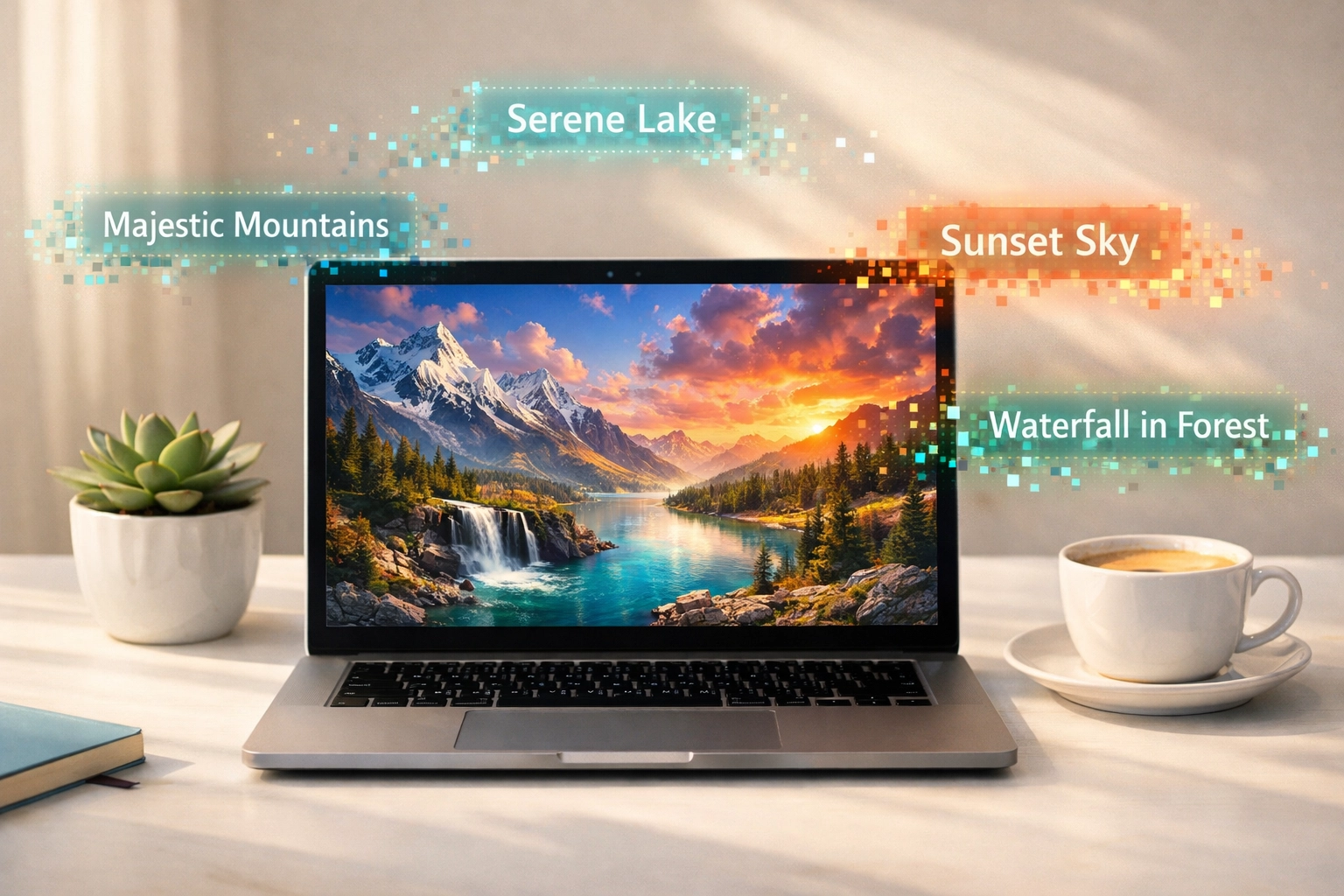
At its core, AI image generation uses text-to-image models to create custom visuals from written prompts. You type a description : "a cosy coffee shop interior with warm lighting and plants on wooden shelves" : and the AI produces an original image that matches your brief.
These tools are trained on vast datasets of images and text, learning the relationships between words and visual concepts. The result? You can generate unique marketing assets, product mockups, or social media graphics in minutes rather than days.
No photographer. No studio hire. No awkward stock photo watermarks.
Why Should SMEs Care?
The Cost Equation Has Changed
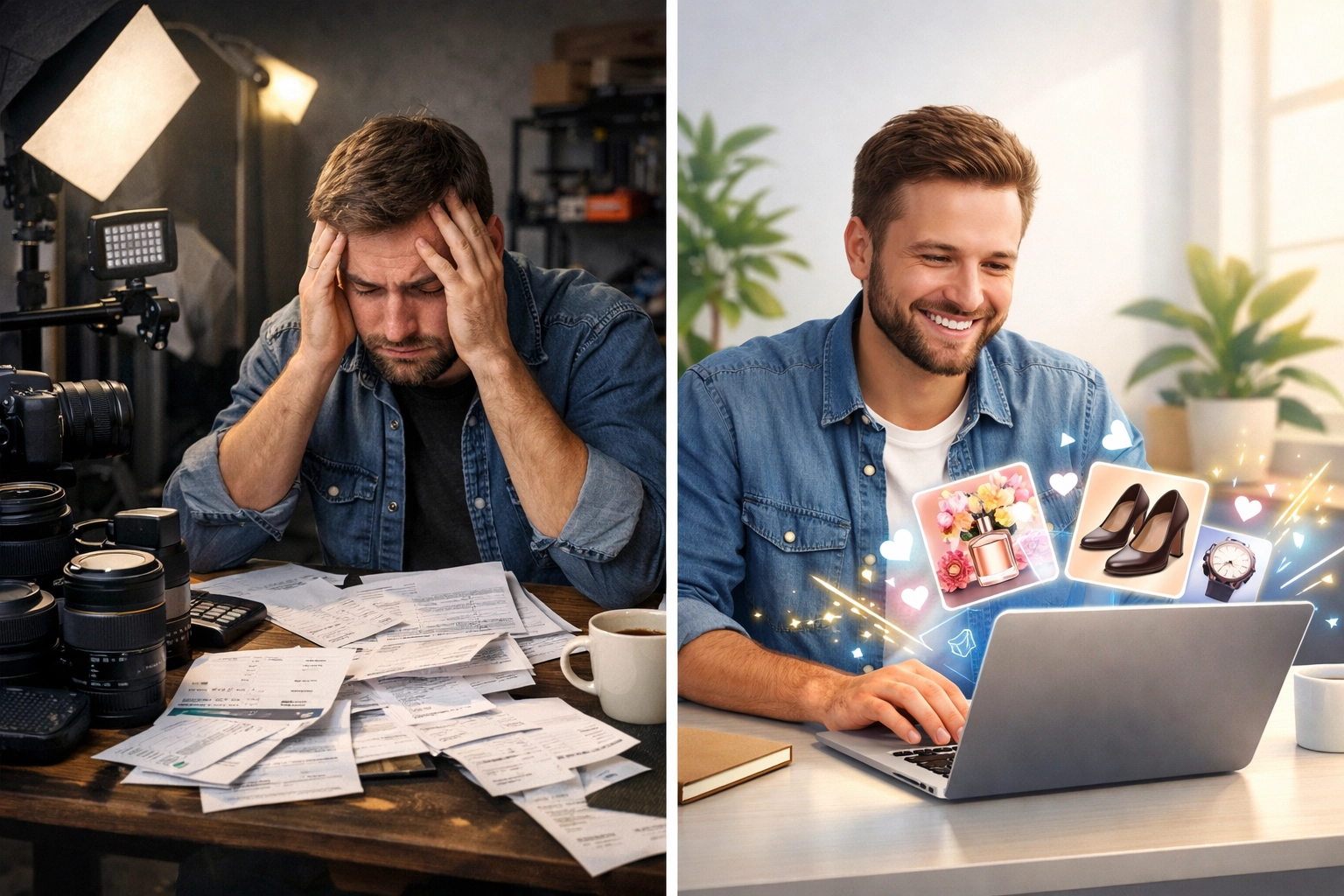
Traditionally, creating professional-quality visuals required serious investment. You'd either shell out for custom photoshoots, pay for premium stock libraries, or hire a graphic designer. For a small business watching every penny, that's a significant barrier.
AI image generators flip this equation on its head. According to McKinsey research, approximately 63% of businesses that implemented AI for cost reduction and resource optimisation witnessed a revenue boost and increased ROI. For SMEs, this means you can now produce professional-grade images at a fraction of what it used to cost : freeing up budget for marketing initiatives, customer engagement, or product development.
Speed That Keeps You Competitive
Traditional photoshoots can take days or weeks to plan, execute, and finalise. AI enables you to create visuals on demand by simply typing a description. Need a fresh graphic for a flash sale launching tomorrow? Done in minutes.
This rapid turnaround lets you react quickly to trends and market demands, keeping your visual content fresh without the production delays that used to favour larger, better-resourced competitors.
Scale Without the Headache
As your product range grows, so does your need for visual content. AI lets you scale content creation dramatically without proportionally increasing your budget. No need to hire additional creative teams or invest in costly software licenses : you can maintain consistent branding and professionalism as your business expands.
Practical Uses for Your Small Business
So where does AI image generation actually fit into your day-to-day operations? Here are some genuinely useful applications:
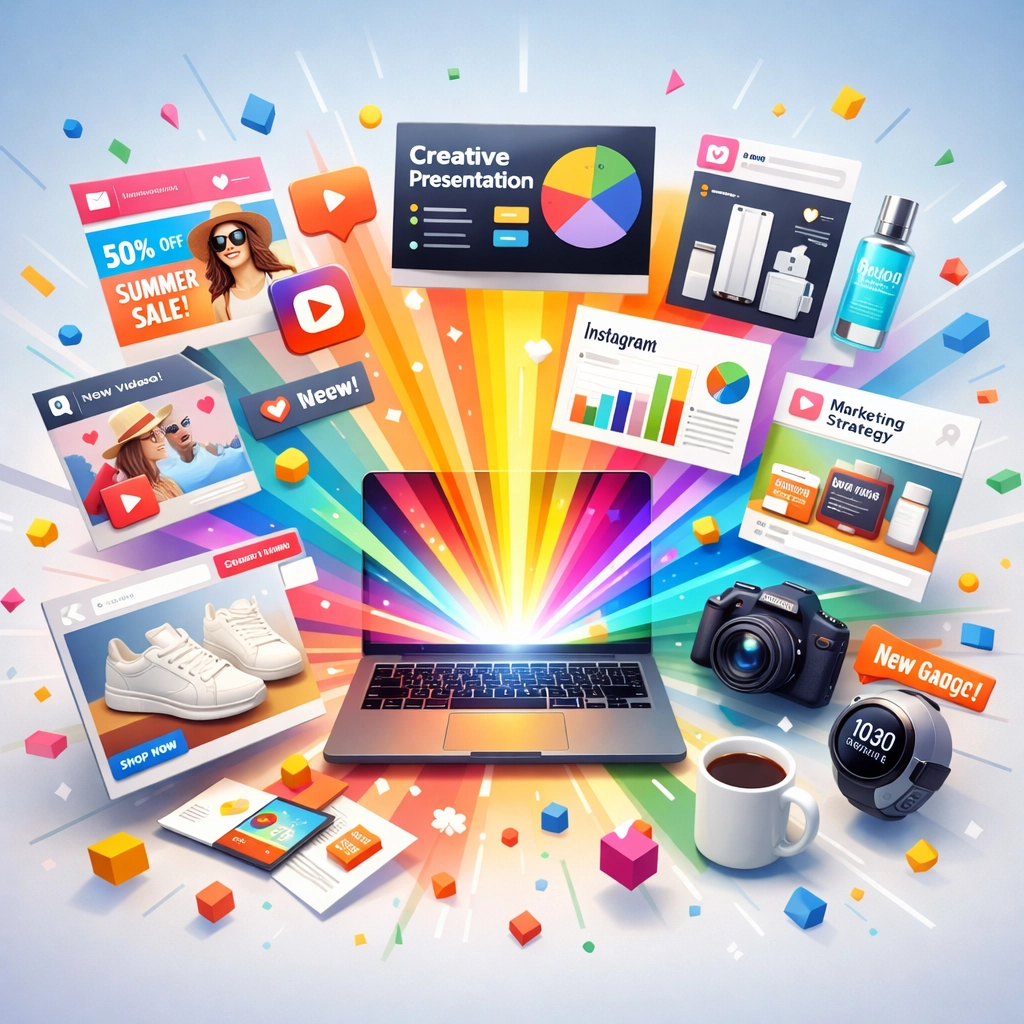
Unique marketing assets : Create bespoke visuals for campaigns, presentations, and pitch decks that don't look like everyone else's stock photos.
Rapid prototyping and storyboarding : Test product concepts, packaging ideas, or ad creative before committing to expensive production.
Social media graphics on a budget : Generate platform-optimised visuals that increase shares, likes, and clicks without the design agency fees.
E-commerce product imagery : Create product shots with optimised backgrounds and lighting, even before the physical product exists.
Personalised content : Tailor visuals based on customer segments or campaign themes without starting from scratch each time.
The Pros: What Makes AI Image Generation Shine
Let's break down the genuine advantages:
Benefit | What It Means for You |
Drastically lower costs | Professional visuals without the professional price tag |
Infinite variety | Generate countless variations until you find the perfect fit |
Instant turnaround | From concept to finished image in minutes |
No specialist skills required | If you can describe what you want, you can create it |
Always available | No scheduling photographers or waiting for designers |
For resource-limited brands, this democratisation of image creation means you can produce high-quality, visually engaging content that genuinely competes with larger companies.
The Cons: What to Watch Out For
It's not all smooth sailing. Here are the genuine challenges you need to navigate:
Intellectual Property Grey Areas
The legal landscape around AI-generated images is still evolving. Questions remain about copyright ownership, licensing, and whether AI-generated content can be trademarked. Before using AI images in commercial contexts, understand the terms of service for your chosen tool and consider seeking legal advice for high-stakes applications.
The "Weird AI" Problem
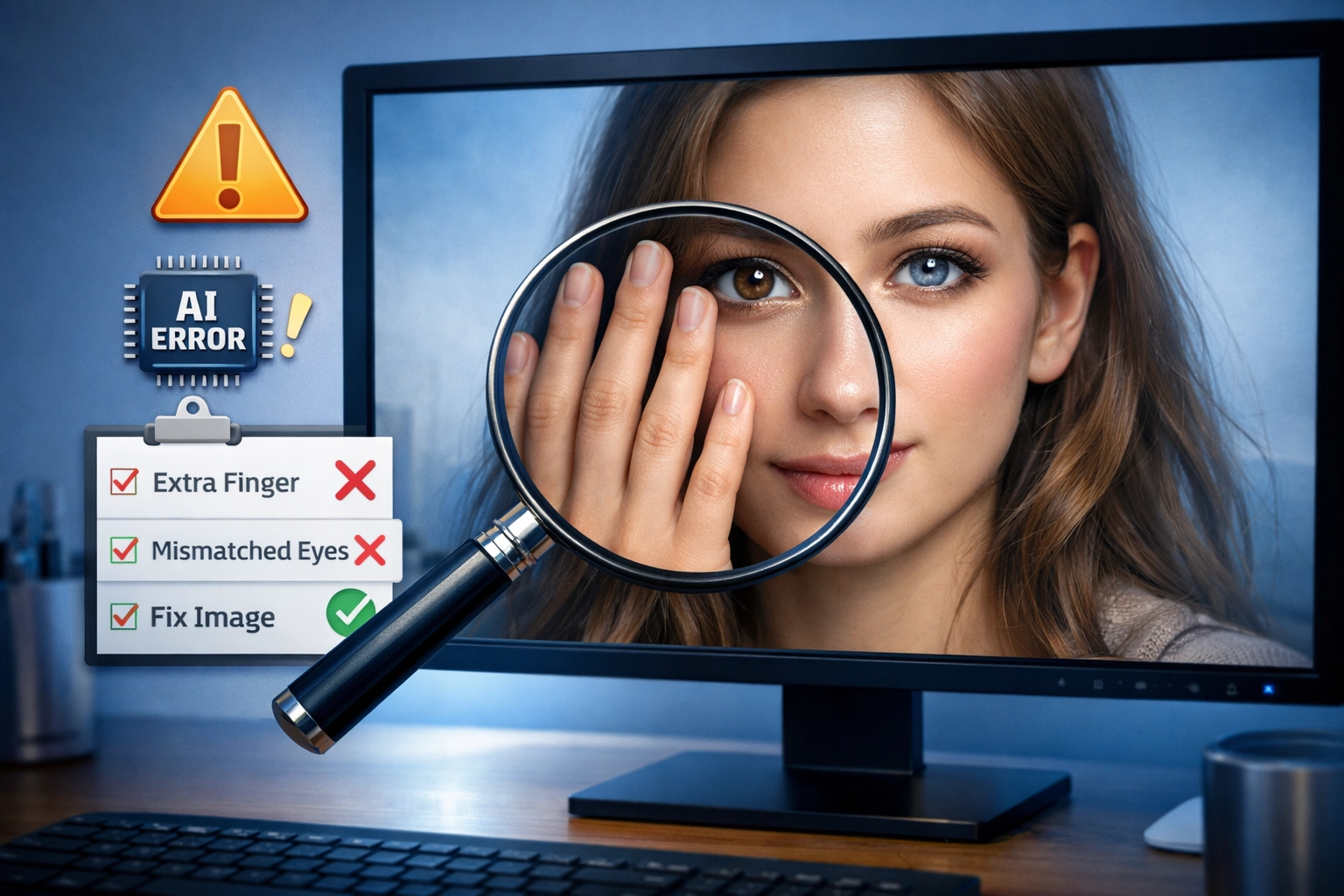
AI still struggles with certain details. Hands with too many fingers, eyes that don't quite match, text that looks like alien script : these artifacts can make your professional image look decidedly unprofessional. Always review outputs carefully and be prepared to regenerate or manually edit.
The Risk of Looking Generic
If you're not skilled at crafting prompts, your AI-generated images can end up looking bland, samey, or obviously artificial. The tools are only as good as the instructions you give them. Investing time in learning effective prompting techniques pays dividends.
Ethical Considerations
How was the AI trained? What images were used in its dataset? These questions matter : particularly if you're committed to ethical business practices or working towards standards like ISO 42001 for AI management systems. Understanding the provenance of your tools helps you make informed choices.
Latest Developments Worth Knowing
AI image generation is evolving rapidly. Here's what's changing the game right now:
In-painting and out-painting : Edit specific parts of an image or extend it beyond its original boundaries. Perfect for tweaking AI outputs without starting over.
Consistent character generation : Create the same character or mascot across multiple images, maintaining brand consistency.
Integration into familiar tools : Adobe Photoshop's Generative Fill, Canva's Magic Media, and similar integrations mean you can access AI generation within software you already use.
Higher resolution outputs : Quality continues to improve, making AI images suitable for print materials, not just digital use.
The Future: Where Is This Heading?
The trajectory points towards hyper-personalised visual content. Imagine ad creative that automatically adjusts based on viewer data : different imagery for different demographics, all generated on the fly. Or product visualisation that lets customers see items in their own environment before purchasing.
Generative AI is expected to add $15.7 trillion to the global economy by 2030, according to PwC research. SMEs that embrace these tools early position themselves to leverage this technology for competitive advantage through greater agility and innovation.
Top 3 Tools to Get You Started
Ready to dive in? Here are three solid options depending on your priorities:
Governance Matters: Connecting to ISO Standards
If you're working towards or already certified to management system standards, AI image generation deserves a place in your governance framework.
ISO 42001 (AI Management Systems) provides guidance on the ethical sourcing and use of AI, including considerations around training data provenance and responsible deployment. If you're concerned about where your AI tools source their training data, this standard offers a framework for due diligence.
ISO 27001 (Information Security) remains relevant for asset security. Where are your generated images stored? Who has access? How are prompts containing sensitive business information handled? These questions fit naturally into your existing information security management system.
Need help understanding how AI governance fits into your broader compliance picture? Our ISO 42001 Document Readiness Review can help you assess where you stand.
Your Next Step
AI image generation isn't a distant future technology : it's here, it's accessible, and it's already helping SMEs compete on visual quality without competing on budget.
Start small. Pick one tool, experiment with a single use case, and see what's possible. You might be surprised how quickly "professional visuals" moves from aspiration to reality.
Want to explore how AI tools fit into your broader business strategy : with proper governance and without the compliance headaches? Get in touch with our team for a conversation about making AI work for your business.
Sources:
McKinsey & Company : AI adoption and business impact research
PwC : Global AI economic impact projections
OpenAI : DALL-E 3 documentation
Canva : Magic Media feature documentation
Midjourney : Official documentation and community resources
Forbes : AI in small business applications
MIT Technology Review : Generative AI developments
Comments